
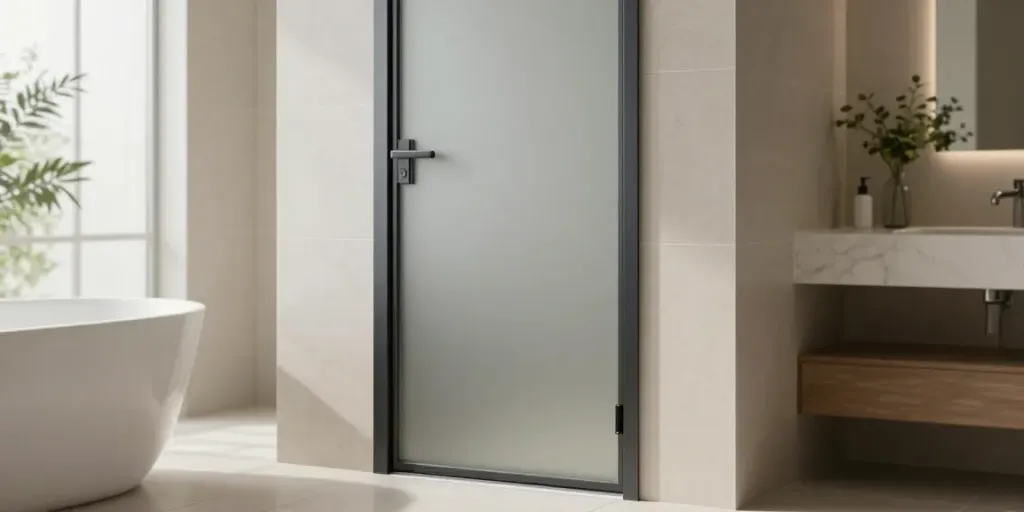
Understanding UPVC Bathroom Doors
When it comes to selecting the ideal door for your bathroom, the choice of materials is crucial for both functionality and aesthetics. Among the options available, UPVC (Unplasticized Polyvinyl Chloride) stands out due to its myriad advantages. Not only does it offer durability, but it’s also a low-maintenance option that can significantly enhance the aesthetics of your bathroom space. An exploration of Pintu upvc kamar mandi allows homeowners to discover why this material is becoming increasingly popular in modern bathrooms.
What is UPVC and Why Choose It?
UPVC is a rigid form of PVC, which has been used extensively in construction due to its versatile nature. Unlike traditional PVC, UPVC is free from plasticizers, making it more stable and resistant to environmental factors. This material is particularly favored for bathroom doors due to its waterproof properties and resistance to mold and mildew, which can be problematic in humid environments. Moreover, UPVC doors do not warp or fade, ensuring they retain their appearance over time.
The choice of UPVC for bathroom doors is not merely a trend; it’s a smart decision driven by practicality. The non-porous surface prevents water absorption, making it an ideal choice for spaces that experience high moisture levels. For those seeking energy efficiency, UPVC doors also provide excellent insulation, helping to maintain comfortable temperatures.
Key Benefits of Pintu upvc kamar mandi
- Water and Humidity Resistance: UPVC doors are designed to withstand exposure to water without degrading, making them perfect for bathrooms.
- Low Maintenance: Unlike wooden doors that require regular treatment and painting, UPVC requires minimal upkeep—just a simple wipe-down with a damp cloth.
- Durability: UPVC doors have a long lifespan, often exceeding 20 years, and are resistant to common wear and tear.
- Sound Insulation: UPVC’s solid structure helps in soundproofing, ensuring privacy within your bathroom.
- Affordable: Compared to many other materials, UPVC is cost-effective, providing good value for money in both purchase and maintenance.
Comparing UPVC to Other Bathroom Door Materials
When discussing bathroom doors, it’s essential to compare UPVC with other popular materials like wood and aluminum. Wooden doors, while aesthetically pleasing, can warp due to moisture exposure and require frequent maintenance to prevent rot. Aluminum doors, on the other hand, are durable and lightweight but can get cold and lose heat, making them less comfortable in chilly bathrooms.
In contrast, UPVC presents a trifecta of benefits—durability, ease of maintenance, and resistance to moisture. This combination makes it a superior choice for bathroom doors, allowing homeowners to enjoy both style and functionality without compromise.
Design Trends for 2026
As we look ahead to 2026, the design landscape for bathrooms continues to evolve, with UPVC doors integrating seamlessly into modern aesthetics. Homeowners are moving towards minimalist designs that marry functionality with style, and UPVC fits this bill perfectly.
Modern Aesthetics and UPVC Integration
Contemporary bathrooms often feature clean lines and a streamlined look. UPVC doors can be designed with various finishes that complement this aesthetic, such as sleek matte textures or glossy surfaces that reflect light. Additionally, the ability to customize colors allows homeowners to match their UPVC doors with existing bathroom decor.
Color and Finish Options for UPVC Doors
The versatility of UPVC doesn’t stop at its durability; it extends to the variety of color and finish options available. Trending colors for 2026 include soft pastels and bold jewel tones, providing homeowners with the chance to make a statement or create a calming oasis. Textured finishes are also gaining popularity, offering a tactile experience that enhances the overall design.
Enhancing Space with UPVC Bathroom Doors
Utilizing UPVC doors in bathrooms can also create an illusion of space. By opting for frameless designs or doors with large panels, homeowners can make smaller bathrooms feel more open while ensuring privacy is maintained. The reflective properties of certain finishes can further amplify lighting, making the space appear larger and more inviting.
Installation and Maintenance
Installing UPVC bathroom doors is a straightforward process, but professionals often recommend hiring experienced installers to ensure optimal results. Proper installation not only enhances the aesthetic appeal but also ensures that the door functions effectively over its lifespan.
Step-by-Step UPVC Door Installation Guide
- Preparation: Ensure the door frame is level and clean before installation.
- Position the Door: Place the door in the frame and ensure it fits snugly.
- Securing the Door: Use screws to secure the hinges, ensuring they are tight and aligned correctly.
- Sealing: Apply sealant around the edges to prevent water ingress.
- Final Adjustments: Check that the door opens and closes smoothly, making any necessary adjustments.
Maintaining Your Pintu upvc kamar mandi for Longevity
To keep your UPVC bathroom doors looking new, routine maintenance is essential. Regularly wipe them down with mild soap and water to remove any buildup of dirt or soap scum. It's also wise to check the seals periodically, replacing them if they show signs of wear.
Common Pitfalls in Bathroom Door Installation
While installing UPVC doors is generally straightforward, some common mistakes can occur. One major pitfall is not measuring the door frame accurately, leading to ill-fitting doors. Another is neglecting the seals, which can result in moisture problems over time. Hiring professionals can mitigate these risks, ensuring your door is both aesthetically pleasing and fully functional.
Cost and Value Considerations
When contemplating a purchase, understanding the cost and value relationship is essential. UPVC doors are a worthwhile investment, particularly given their durability and low maintenance requirements.
Average Pricing for Pintu upvc kamar mandi
The price of UPVC bathroom doors can vary based on design, size, and finishes. On average, expect to pay between $150 to $400 per door, making it a cost-effective option compared to wooden or aluminum alternatives.
Evaluating the Cost Vs. Benefits of UPVC
While the initial cost may seem higher than other materials, the long-term savings associated with UPVC doors are substantial. With minimal maintenance needs and excellent longevity, these doors often pay for themselves over time through reduced replacement and repair costs.
Long-Term Savings with UPVC Doors
Choosing UPVC doors contributes to energy savings as well. Their insulating properties help to reduce heat loss, ultimately reflecting on energy bills. Moreover, the lack of repainting or refinishing costs means that homeowners can enjoy significant savings over the door’s lifetime.
Frequently Asked Questions
What makes UPVC doors suitable for bathrooms?
UPVC doors are waterproof, resistant to mold, and highly durable, making them perfect for the humid conditions of bathrooms.
How do you clean and maintain a UPVC door?
Simply use a damp cloth with mild detergent. Avoid abrasive cleaners that may scratch the surface.
Are UPVC doors energy efficient?
Yes, UPVC doors provide excellent insulation, helping to maintain indoor temperatures and reduce energy costs.
Can UPVC doors be painted or customized?
Painting UPVC is generally not recommended, but homeowners can choose from a wide range of colors and finishes during purchase.
What are the typical sizes for bathroom UPVC doors?
Standard sizes generally range from 70cm to 90cm in width and 180cm to 210cm in height. Custom sizes are also available upon request.